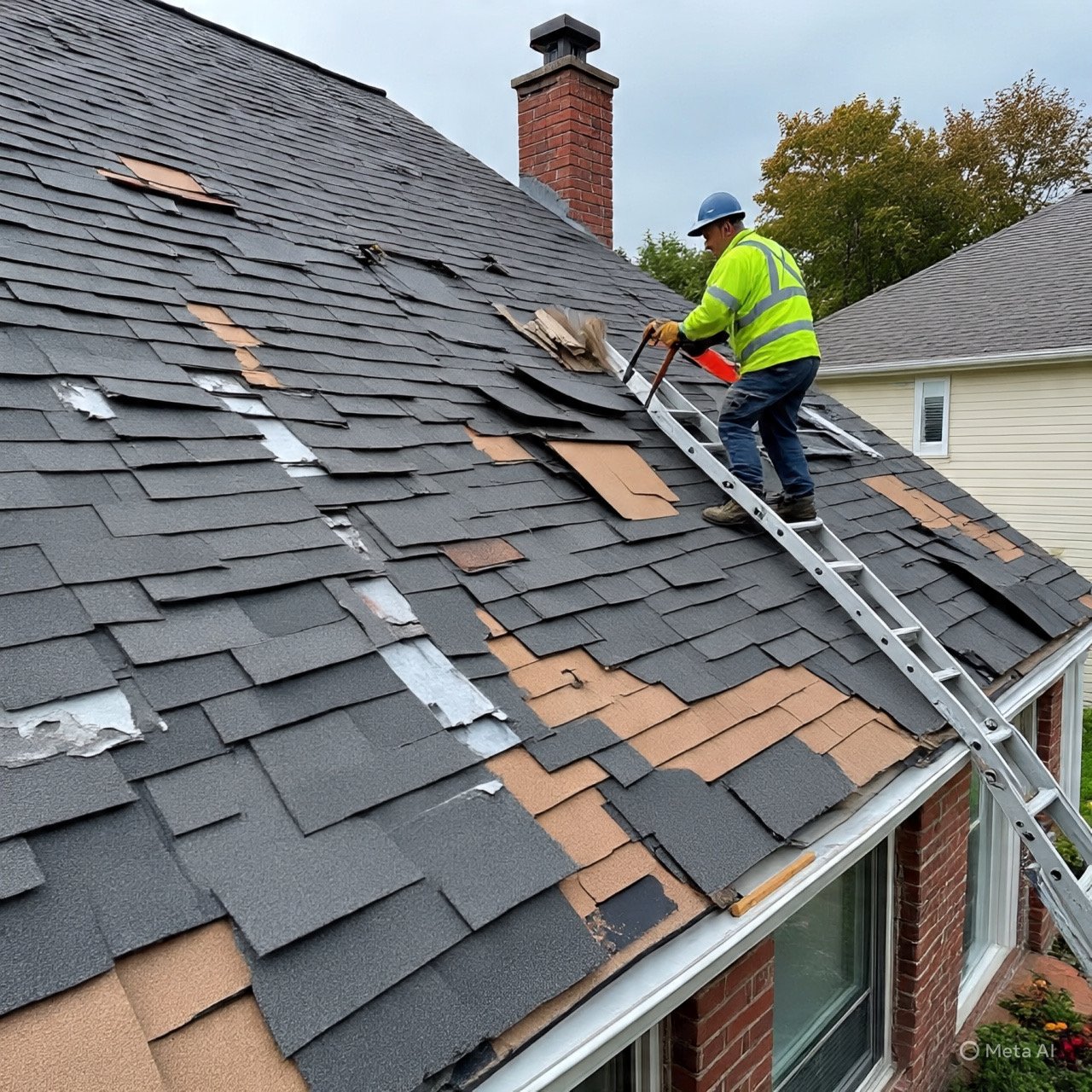
When Is a Roof Repair Not Enough?
A small leak in the ceiling or a few missing shingles might seem like minor issues. For many homeowners, the first instinct is to look up “roof repair” and find a quick fix. While repairs are often a practical and cost-effective solution, there comes a point when patching things up is no longer enough. Knowing the difference between a situation that needs a simple repair and one that requires a full roof replacement can save you from costly damage, stress, and future headaches.
Deciding to invest in a new roof is a significant financial decision, which is why many homeowners put it off for as long as possible. However, understanding the warning signs that indicate your roof is beyond simple repairs is crucial. This post will explore the critical indicators that suggest your home needs more than just a temporary patch. We’ll examine the factors that determine whether a roof repair will suffice or if it’s time to consider a complete replacement, helping you protect your home and make an informed decision for the long term.
The Age of Your Roof: A Key Factor
One of the most straightforward indicators of your roof’s health is its age. Most roofing materials have a finite lifespan, and once they approach the end of it, repairs become less effective and more frequent.
Asphalt Shingles
The most common roofing material in the United States, asphalt shingles, typically lasts between 20 to 30 years. If your roof is nearing this age and you’re experiencing issues like leaks, cracked shingles, or significant granule loss, constant repairs might just be a temporary fix for a much larger problem. An older roof is more susceptible to weather damage, and its underlying components, like the underlayment, may also be deteriorating. At this stage, a full replacement is often the more sensible and economical choice in the long run.
Other Roofing Materials
The lifespan can vary significantly with other materials. For example:
- Metal roofs can last 50 years or more.
- Clay or concrete tiles can endure for over a century.
- Wood shake roofs typically last around 30 years, but require regular maintenance.
If you don’t know the age of your roof, a professional inspection from a trusted company like Surge Exteriors can provide a clear assessment of its condition and remaining lifespan.
Widespread Damage vs. Isolated Issues
The extent of the damage is another critical factor in the repair-versus-replacement debate. A small, isolated problem can usually be handled with a simple roof repair. For instance, if a single tree branch fell and damaged a few shingles in one area, a targeted repair is perfectly appropriate.
However, when the damage is widespread, the situation changes. Consider these scenarios:
- Extensive Shingle Damage: If you notice large patches of shingles that are curling, cracking, or buckling across different sections of your roof, it’s a sign of systemic failure. This is often caused by age or poor ventilation in the attic, and simply replacing a few shingles won’t solve the underlying issue.
- Significant Granule Loss: The granules on asphalt shingles protect them from UV rays and weathering. If you find an excessive amount of these granules in your gutters or downspouts, it means your shingles are becoming brittle and losing their protective layer. This is a sign of an aging roof that is weakening across its entire surface.
- Storm Damage: After a severe storm involving high winds or hail, the damage might look minor from the ground. However, hail can create hidden bruises and cracks in shingles, compromising their integrity. If an inspection reveals widespread damage across the majority of the roof’s surface, a replacement is almost always recommended by insurance companies and reputable roofers.
At Surge Exteriors, we help homeowners assess the full extent of storm damage to ensure they are making the most informed decision. A comprehensive inspection can reveal that what seems like a few minor problems is actually a widespread issue that a simple roof repair won’t fix.
Signs of Water Damage Inside Your Home
Your roof’s primary job is to keep water out of your house. When you start seeing signs of water damage indoors, it’s a red flag that shouldn’t be ignored. While a single, small ceiling stain might point to a localized leak that can be repaired, multiple signs of water intrusion suggest a more significant problem.
Look for these warning signs:
- Stains on Ceilings or Walls: Dark stains or discoloration on your ceilings, especially in upper-floor rooms, are a classic sign of a leak. If you see stains in multiple locations, it indicates that your roof has several points of failure.
- Peeling Paint or Wallpaper: Moisture seeping into your home can cause paint to bubble or peel away from walls and ceilings near the roofline.
- Mold or Mildew Growth: The presence of mold or mildew in your attic or on your ceilings points to a long-term moisture problem. This is not just a structural concern; it’s a health hazard that needs to be addressed immediately. A persistent leak that has allowed mold to grow often means the roof decking and insulation are also compromised, making a full replacement necessary.
When water has been getting in for a while, the damage often extends beyond the shingles to the roof decking, insulation, and even the structural frame of your home. In these cases, a roof repair is like putting a bandage on a wound that needs stitches. You need to address the source of the problem, which often means replacing the entire roofing system.
The Cost-Benefit Analysis: Repairs vs. Replacement
Sometimes, the decision comes down to simple economics. While a single roof repair might cost a few hundred dollars, recurring repairs can add up quickly. If you find yourself calling a roofing contractor every year or after every major storm, it’s time to do the math.
Consider the “50% rule” that many professional roofers use. If the cost of the repairs is 50% or more of the cost of a full roof replacement, it is generally more cost-effective to replace the roof. Investing a large sum of money into repairing a roof that is already old or extensively damaged is often a poor financial decision.
A new roof from a reputable installer like Surge Exteriors is an investment in your home’s value and safety. It comes with a warranty, giving you peace of mind for years to come. Constantly repairing an old roof offers no such guarantee and can leave you vulnerable to catastrophic failure during the next big storm.
Your Next Steps for a Secure Roof
Roof Repair offers more than just a quick fix—it protects your home, extends the life of your roof, and saves you money by addressing issues before they escalate. Consulting a professional roofing contractor ensures you receive an accurate, honest assessment of your roof’s condition. A thorough inspection pinpoints the root causes of problems, providing clarity and actionable solutions that preserve your home’s safety, enhance energy efficiency, and give you long-term peace of mind.
At Surge Exteriors, we are committed to providing homeowners with transparent and reliable advice. We will evaluate the age of your roof, the extent of the damage, and the condition of the underlying structures to help you determine the most appropriate solution. Whether it’s a targeted repair or a full replacement, our goal is to ensure your home is protected for the long term.
If you’re facing roofing problems, don’t wait for them to get worse. Contact Surge Exteriors today for a comprehensive inspection and a no-obligation quote.