Unlocking Growth: How a UK 3PL Can Propel Your Ecommerce Business
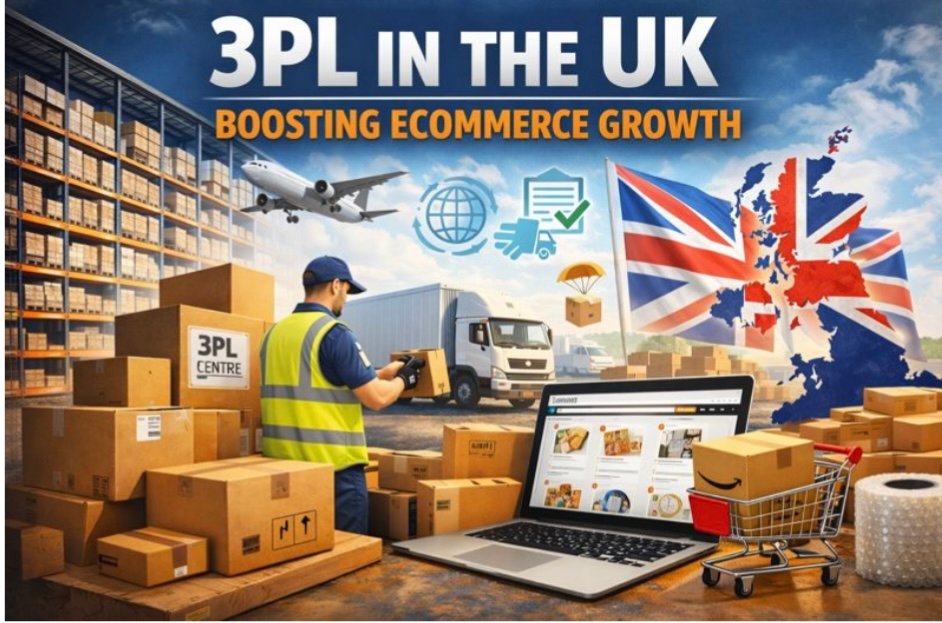
In today’s competitive ecommerce landscape, selling online is only half the battle: getting products into customers’ hands quickly, accurately and cost-effectively is what separates thriving brands from struggling ones. This is where third-party logistics (3PL) providers come in. A UK-based 3PL can be a game-changer for ecommerce businesses of all sizes, helping deliver products faster, scale operations smoothly, and expand into new markets without the headaches of managing logistics in-house.
What Is 3PL and Why It Matters for Ecommerce
A third-party logistics provider commonly called a 3PL is a specialist partner that takes responsibility for key parts of your supply chain, including warehousing, inventory management, order fulfilment, shipping, and returns. Instead of handling all logistics yourself, you outsource these functions to a provider equipped with infrastructure, expertise, and technology.
For online sellers, especially those growing past the startup phase, logistics quickly becomes complex. Managing inventory, packing orders, negotiating with carriers and handling returns can suck time and resources away from core business activities like marketing, product innovation and customer engagement. A 3PL alleviates that burden.
What a UK 3PL Actually Does
A modern 3PL provider offers more than a storage facility; it’s an end-to-end logistics partner. Typical 3PL services include:
Warehousing & Storage
3PLs provide secure warehouse space across key UK locations. This isn’t just storage products are organised, tracked and managed using sophisticated warehouse management systems (WMS) that offer real-time stock visibility.
Inventory Management
Rather than guessing stock levels or constantly performing manual counts, 3PLs use technology to track inventory across channels. This boosts accuracy and prevents costly issues like overselling or stockouts.
Order Fulfilment
When a customer places an online order, 3PL systems automatically route that order to the warehouse, where staff pick, pack and prepare it for shipment. Brands can even include custom packaging or inserts to maintain a branded experience.
Shipping & Carrier Management
3PLs negotiate with carriers, provide discounted shipping rates and handle label creation, courier handovers, and tracking updates which improves delivery speed and reliability for your customers.
Returns Handling (Reverse Logistics)
Returns can be a headache, but many 3PLs manage the entire process: inspecting returned items, restocking sellable stock, and disposing of or recycling unsaleable goods according to your rules.
Benefits of Outsourcing to a UK 3PL
Outsourcing logistics to a UK-based 3PL offers powerful advantages that help ecommerce brands scale more effectively and compete more strongly in both domestic and global markets.
1. Save Time and Focus on Growth
Managing logistics in-house demands time and attention from packaging orders to coordinating deliveries. A 3PL takes these operational burdens off your plate, giving you time to focus on marketing, product development and customer relationships.
2. Improve Scalability and Flexibility
Whether you’re preparing for a seasonal spike, launching a new product, or entering a new market, a UK 3PL can scale resources up or down in line with demand. This flexibility helps avoid costly investments in warehouse space, staff or equipment that sit idle in slower periods.
3. Cost Efficiency and Reduced Overheads
Running your own logistics operation is expensive; warehouse rent, staffing, utilities, and equipment add up fast. With a 3PL, you only pay for the services you use, often at lower costs thanks to the provider’s negotiated carrier rates and operational efficiencies.
4. Faster Delivery and Better Customer Experience
In ecommerce, delivery speed and reliability directly impact customer satisfaction and repeat purchases. UK 3PL warehouses are often strategically located to ensure rapid dispatch and coverage across major postcode regions, giving your brand a competitive edge.
5. Advanced Technology & Real-Time Visibility
Good 3PLs use modern systems that integrate seamlessly with selling platforms like Shopify, Amazon, WooCommerce and others. Your stock levels, orders and delivery tracking remain transparent, helping you make informed business decisions.
6. Expertise and Logistics Knowledge
A 3PL brings logistics expertise from optimising packing workflows to navigating carrier rules and regulatory requirements. This knowledge reduces errors, improves fulfilment reliability, and enhances overall operational efficiency.
7. Roadmap to New Markets
For brands considering expansion beyond the UK, using a 3PL with international capabilities can streamline entry into new territories without setting up your own distribution network or dealing with customs and compliance directly.
Why a UK-Based 3PL Is Worth It
Choosing a UK 3PL is especially valuable for online retailers selling within the UK and EU. A UK location reduces domestic transit times, lowers shipping costs compared to overseas fulfilment, and avoids complications like customs delays crucial considerations after Brexit. This ensures better delivery performance, lower cart abandonment and a stronger brand reputation in key markets.
Additionally, UK 3PL providers are often fluent with domestic and EU regulations, so expansions across borders become smoother and less risky.
In Conclusion: 3PL As a Strategic Growth Partner
In a world where ecommerce expectations are rising, logistics can no longer be an afterthought. A UK 3PL isn’t just a service provider it’s a strategic partner that enables efficient operations, unlocks growth capacity, and strengthens customer experience. By outsourcing fulfilment and logistics, ecommerce businesses can focus on what they do best: building brands, delighting customers, and scaling profitably.
Whether you’re a startup testing product-market fit or a seasoned seller entering new markets, partnering with a UK 3PL can unlock the door to faster, smarter and more cost-effective growth.