United Flight UA109 Diversion: What Happened and Why It Matters
When United Airlines Flight UA109 changed its route in the middle of its journey across the Atlantic Ocean, many people were confused and worried. Some passengers, flight watchers, and people online asked questions like:
-
Why did the plane turn around?
-
Was something wrong with the aircraft?
-
Was anyone in danger?
-
Why did the plane land in Dublin?
This article explains the UA109 diversion in simple and clear English. It uses lists and tables to help you understand what happened, why the decision was made, and what this event shows about airline safety.
1. Basic Information About the Flight
Here is a simple table with the main details of the flight:
| Item | Details |
|---|---|
| Airline | United Airlines |
| Flight Number | UA109 |
| From | Munich, Germany (MUC) |
| To | Washington Dulles, USA (IAD) |
| Aircraft | Boeing 787 Dreamliner |
| Flight Type | Long international flight |
| Diversion Airport | Dublin, Ireland (DUB) |
| Main Reason | Crew medical issue |
| Result | Flight continued later with delay |
This flight was planned as a normal long-distance trip from Europe to the United States.
2. Simple Timeline of What Happened
Below is a clear timeline of the main events:
| Step | What Happened |
|---|---|
| 1 | The plane left Munich as planned |
| 2 | The plane flew over Europe toward the Atlantic |
| 3 | A cabin crew member became unwell |
| 4 | The crew told the pilots about the problem |
| 5 | The pilots checked safety rules |
| 6 | The captain decided to divert the plane |
| 7 | The plane turned back over the ocean |
| 8 | The plane landed safely in Dublin |
| 9 | The crew member got medical help |
| 10 | The flight continued later with delay |
This shows that the diversion was planned and calm, not sudden or dangerous.
3. The Main Reason for the Diversion
The flight was diverted because of a medical problem with a cabin crew member.
This is important because cabin crew are not only there to serve food and drinks. They are trained to keep people safe.
Important Duties of Cabin Crew
Cabin crew members must be able to:
-
Help in emergencies
-
Guide passengers during evacuation
-
Use safety equipment
-
Watch for safety problems
-
Help sick or injured passengers
If a crew member cannot do these jobs, the flight may no longer meet safety rules.
Read also: United Airlines Flight ua770 Emergency Diversion
4. Why a Crew Medical Problem Can Stop a Flight
Airline rules say that each aircraft must have a minimum number of active crew members.
If one crew member becomes too sick to work, the flight may:
-
Break safety rules
-
Have fewer trained people to help in emergencies
-
Put passengers at risk in case something goes wrong
Simple Table: Why Crew Health Is Important
| Reason | Why It Matters |
|---|---|
| Safety rules | Airlines must follow legal safety rules |
| Emergency help | Crew must help in emergencies |
| Passenger safety | Enough trained staff must be onboard |
| Evacuation | Crew guide people out of plane |
| Order in cabin | Crew manage safety and calm |
Because of this, the safest choice was to divert the plane.
5. Was the Plane Unsafe?
No. The aircraft itself was working normally.
There was:
-
❌ No engine problem
-
❌ No mechanical failure
-
❌ No damage to the plane
The problem was with crew health, not the aircraft.
Myths vs Facts
| Myth | Fact |
|---|---|
| The plane was broken | The plane was working fine |
| There was a big emergency | The diversion was a safety step |
| The plane was in danger | The landing was safe and normal |
| Pilots panicked | Pilots followed safety rules |
| Diversions are rare | Diversions happen when needed |
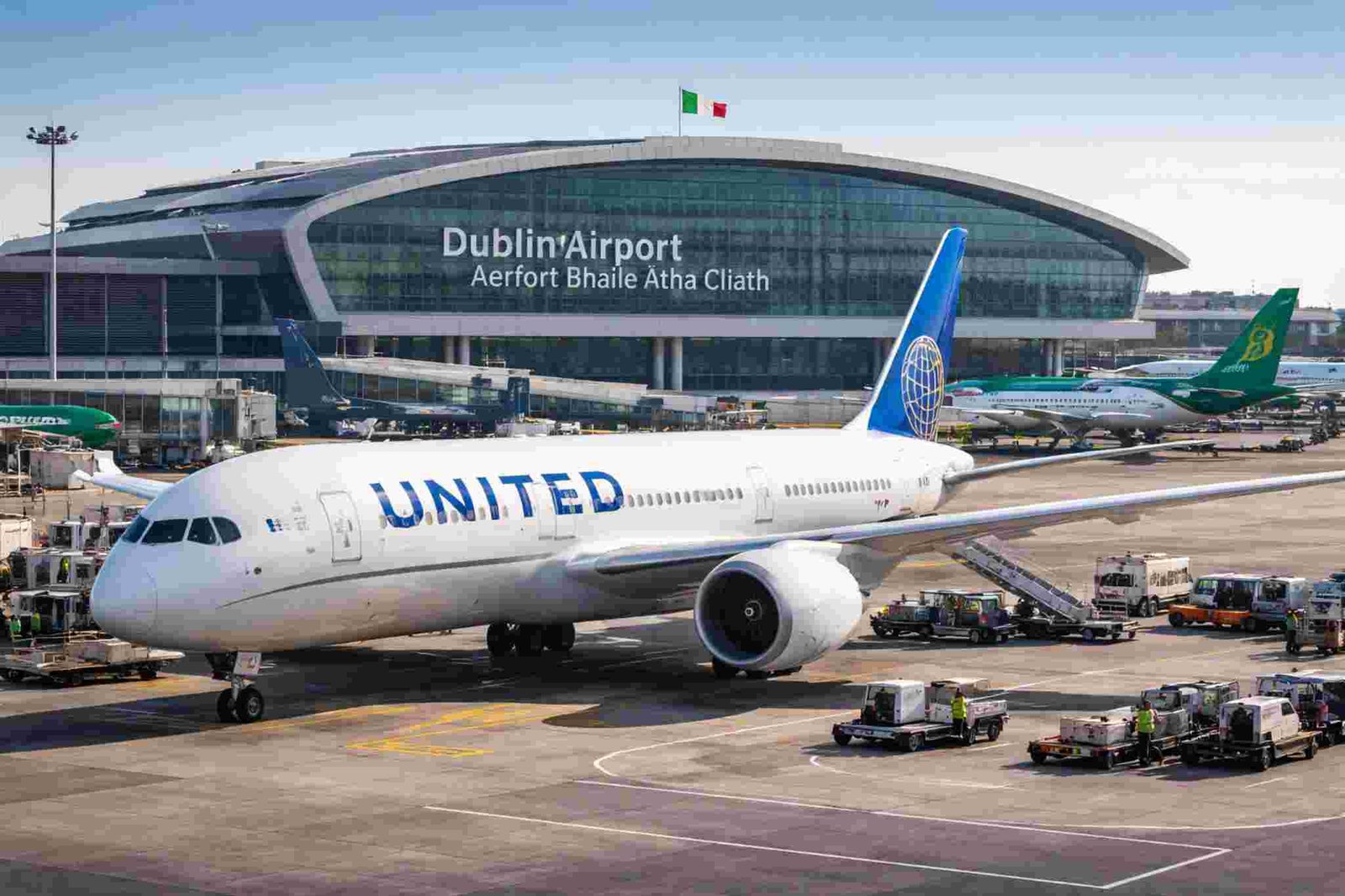
6. Why the Plane Landed in Dublin
Dublin is a common airport for planes to use when they need to divert during Atlantic flights.
Reasons Dublin Was Chosen
-
It is close to common flight routes
-
It has long runways for big planes
-
It has good medical services
-
It can handle international flights
-
It has trained ground staff
Simple Comparison Table
| Feature | Dublin Airport | Small Airport |
|---|---|---|
| Long runway | Yes | Maybe not |
| Medical help | Good | Limited |
| Staff for big planes | Yes | Often no |
| International support | Yes | Limited |
| Good for diversions | Yes | Not ideal |
Dublin was a safe and practical choice.
7. What Happened After Landing in Dublin
After the plane landed:
-
The sick crew member received medical care
-
The airline checked if the flight could continue
-
The crew and ground staff worked together
-
Passengers were informed about the delay
The plane later continued its journey to Washington.
Read also: Delta Flight DL275 Diverted to LAX
8. How Passengers Were Affected
For passengers, the diversion caused:
Problems for Passengers
-
Longer travel time
-
Delays
-
Missed connections for some people
-
Tiredness
What Did NOT Happen
-
No emergency evacuation
-
No injuries to passengers
-
No crash or unsafe landing
-
No serious danger
Passenger Experience Table
| What Passengers Felt | What Was Really Happening |
|---|---|
| Worry | Safety rules were being followed |
| Confusion | Pilots were making a careful choice |
| Frustration | Delay was to protect safety |
| Fear | The plane was safe |
9. Why Diversions Are Part of Airline Safety
Many people think diversions mean something went wrong. In reality, diversions show that safety systems are working.
What a Diversion Means
-
A problem was found early
-
The crew chose safety over speed
-
Rules were followed
-
People were protected
Safety Principles Shown in This Case
-
Safety first
-
Follow rules
-
Protect crew and passengers
-
Plan for unexpected problems
10. What Happens Behind the Scenes
When a flight diverts, many people work together:
People Involved
-
Pilots
-
Cabin crew
-
Airline operations team
-
Medical advisors
-
Airport staff
-
Air traffic controllers
Work That Must Be Done
-
Plan new route
-
Get medical help
-
Manage fuel and crew time
-
Inform passengers
-
Update arrival times
Even a simple diversion takes a lot of planning.
11. What Travelers Can Learn from This Event
Here are some simple lessons for travelers:
Key Takeaways
-
Diversions are normal safety actions
-
Not every diversion is dangerous
-
Delays can protect your safety
-
Flight maps online do not show full story
Simple Reframing Table
| Feeling | Better Way to Think |
|---|---|
| Fear | The crew is keeping us safe |
| Anger | Safety is more important than time |
| Worry | This is a normal safety action |
| Stress | The system is working |
12. Final Summary
The diversion of United Flight UA109 was not caused by a broken plane or a major emergency. It happened because a crew member became sick, and safety rules required the flight to have enough healthy crew members onboard.
Final Summary Table
| Topic | Simple Explanation |
|---|---|
| Reason | Crew medical issue |
| Plane condition | Working normally |
| Diversion airport | Dublin |
| Passenger safety | Never in danger |
| Result | Delay, then continued flight |
| Lesson | Safety comes first |
Conclusion
United Flight UA109 changed its route because of a human health issue, not because of a technical problem with the aircraft. The pilots followed safety rules, landed in a well-prepared airport, and made sure the crew member got help.
This event shows that air travel is safe not because problems never happen, but because airlines are ready for problems when they do happen. Delays can be annoying, but they are often the result of careful decisions made to protect everyone onboard.