The Lawn of Your Life: How to Choose The Best Grass Type
There are lots of different types of grasses.
Choosing the perfect grass for you feels like those TV shows where participants try to find their soulmates.
Well, the type of grass you choose might be something like that: it can be the best companion or give you headaches. Grasses have requirements that influence how well they grow in certain conditions.
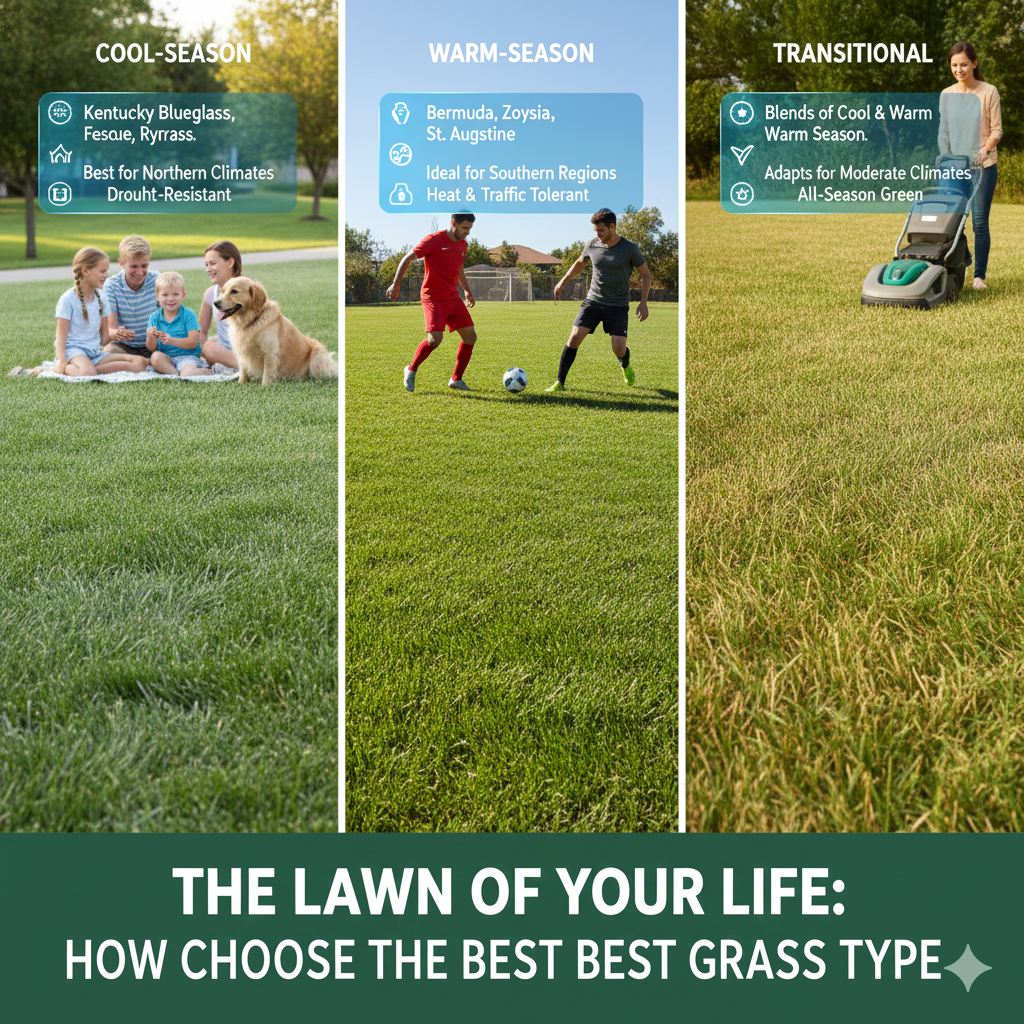
In North Texas, there are five types of grass that thrive well: Bermuda, Fescue, Zoysia, St. Augustine, and Centipede.
But how exactly do you know which type of grass is the best for your garden?
In this post, experts in lawn maintenance and landscaping from Texas explain factors to take into account when choosing the best type of grass for your garden.
Climate Conditions
When deciding what type of grass you’re going to grow on your property, the first thing you have to keep in mind is the local climate.
Grasses that flourish in hot climates are known as warm-season grasses.
These are the grasses common in the south of our country, such as the grasses typical of North Texas.
On the contrary, cold-season grasses are types of grass that prefer growing in places with long winters.
Rainfall
Evaluate the amount of rainfall that is typical in your area.
In places where droughts are frequent, grasses that might not tolerate excessive heat can rapidly die.
On the other side of the spectrum, grasses that thrive better with less water can suffer in places with heavy and constant rains.
Warm-season and cold-season grasses can both be drought-tolerant to a greater or lesser degree. That depends on the type of grass. For example, Bermuda grass (warm-season) has a high level of drought tolerance.
That’s why this factor is important when choosing your grass.
Light and Shade
Grass is also sensitive to the amount of sun or shade it receives.
For example, fescue grass does not grow well in places with lots of sunlight.
For this reason, some grass types thrive in shaded areas, such as where trees or buildings reduce sun exposure.
Maintenance
The degree of maintenance is another important factor to consider when choosing your ideal grass.
Some grasses require mowing more frequently, fertilizing, and constant watering, while others just grow freely without too much attention.
So it’s the case of fescue. This grass needs very little fertilizing and mowing, which makes it a great low-maintenance type of grass.
This grass is a great choice for homeowners who don’t have time to pay attention to it or just want to save money on lawn maintenance.
On the other hand, if you are a fan of mowing and taking care of the grass on the weekends, you might like a type of grass with more requirements. Yes, it takes more work, but you can have excellent results.
Garden Activity
Some grasses are great for places with a high level of activity. For example, a typical lawn type for courts or fields is Bermuda.
Grasses that can quickly recover from foot traffic are great for gardens where kids or pets frequently play.
Centipede or St Augustine, on the contrary, will flourish in gardens with less activity.
Aesthetics (Obviously)
Of course, we cannot overlook the fact that the type of grass you choose will change how your garden looks.
Certain grasses have shades of colors, like blue or grayish tones, while others are greener and shinier. St Augustine grass, which grows very well in North Texas, has a distinctive bluish shade.
Oh! And grass texture is another detail that many lawn-lovers like to pay attention to. For example, those who would like to step barefoot on fine, soft grass might prefer a nice Zoysia grass.
And The Winner Is…
When considering which is your ideal grass type, homeowners have to balance all these conditions.
The climatic conditions of your area, the amount and frequency of rainfall, sun exposure, your willingness and budget to maintain the turf, and the look you want to achieve in your garden are key factors to consider.
When you choose your grass type consciously, it can make the best out of your garden and achieve your dream landscape.
If you’re still unsure of what grass is your perfect match, you can always consult with professionals in lawn maintenance and landscaping to guide you on choosing the best type of grass for you.