Best Strategy Games for Players Who Enjoy Building and Tactical Battles
Some players want fast reflexes, and others want a plan. Strategy games give the second group a world where every choice echoes for hours, from the first building placed to the last battle fought. The satisfaction comes from watching a small camp become a thriving empire because of decisions you made.
This guide looks at strategy games that mix base building with tactical combat. It explains what each style offers, who will enjoy it, and how to start without feeling lost. Whether you have ten minutes a day or entire evenings, there is a title here that fits your schedule.
Why Building and Fighting Work So Well Together
Building gives strategy games a calm rhythm. You gather resources, place structures, and plan upgrades while timers run. That slower side balances the tension of battle, so the game never feels like constant pressure. Each phase makes the other more meaningful, because what you build decides how well you fight.
Combat then tests those plans. A strong economy lets you field better units, and a weak one shows up quickly on the battlefield. This loop of preparing and proving gives players a clear sense of cause and effect, which is one of the main reasons the genre keeps loyal fans for years.
Real Time Strategy on Mobile
Real time strategy games ask you to act while the clock runs. You manage workers, queue units, and respond to threats at the same moment. On a phone, designers simplify the controls so that a few taps can issue meaningful orders, and sessions are short enough to fit into a lunch break.
The genre rewards attention to detail. Noticing an undefended flank, spotting an enemy scout, or timing an upgrade before a raid can swing a match. Newcomers should start with the tutorial missions, because they teach the core loop without punishing mistakes, and then move to ranked play once the basics feel natural.
Base Builders With Alliance Warfare
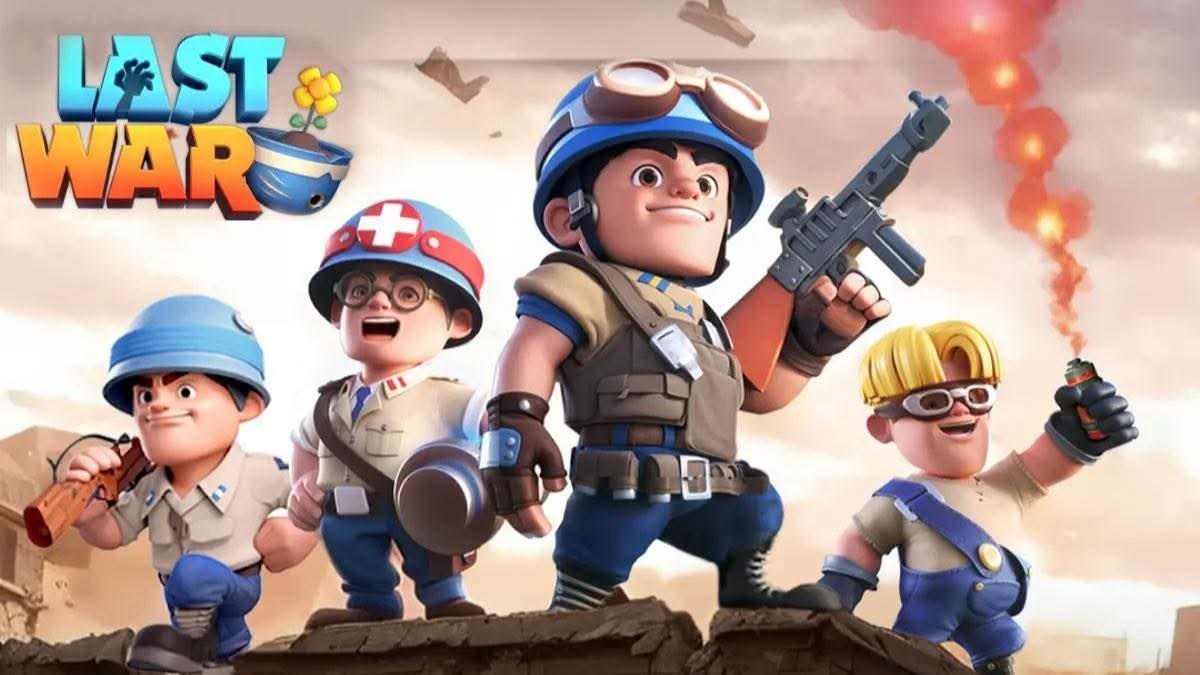
Another popular style combines a persistent base with large alliance wars. Players develop a headquarters, train heroes, research upgrades, and join others to defend or attack territory. Progress is steady, and each upgrade opens new options, so even a short visit feels productive.
Servers keep running, which means late arrivals sometimes fall behind established players. Some choose to buy Last war account listings to join a busy server with a developed base, while others prefer to grow from the first day with a new alliance. Both routes are valid, and the right one depends on how many hours you can offer each day.
Turn Based Tactics
Turn based games slow everything down. You move units one at a time, weigh each option, and take as long as you need. Positioning, terrain, and ability combinations matter more than speed, so the genre suits players who enjoy thinking more than reacting.
These games often include small squads with distinct roles. A fragile healer needs protection, a heavy fighter holds a chokepoint, and a scout reveals the map. Learning how those pieces support one another is the heart of the experience, and a well planned turn can feel as satisfying as a clever chess move.
Card and Hero Collection Strategy
Some strategy games center on collecting heroes or cards and building teams from them. You choose which characters to bring, how to arrange them, and when to use their special abilities. The strategic layer begins before the battle, in the team you assemble.
This style appeals to people who enjoy theory crafting. Reading hero descriptions, testing combinations, and adjusting after a loss become a hobby in themselves. According to the Wikipedia overview of strategy video games, the genre is defined by planning and resource management, which these collection games express in a very approachable form.
Choosing a Game That Fits Your Time
Start by counting your free time honestly. If you have fifteen minutes between tasks, pick a game that offers short sessions and background timers. If you can sit down for an hour, a deeper title with long battles may feel more rewarding and give you more room to experiment.
Think about social needs too. Alliance games reward friends who coordinate, while single player campaigns suit solo evenings. Try two free options for a week each and notice which one you open without being reminded. The game you return to naturally is usually the right one.
Spending and Progress Without Regret
Most strategy games are free to start, and many sell speedups or resource packs. Decide a monthly budget before you open the store, because small purchases add up quickly. Skill, planning, and patience matter more than spending in nearly every title, so there is no need to feel pressured.
Protect your account as well. Use a strong, unique password and turn on extra verification where available. Never share login details with anyone offering free items. Check each publisher’s rules before trading accounts or items, because policies differ and breaking them can cost you everything you built.
Building Habits That Make You Better
Improvement comes from reviewing your own play. After a loss, ask what you could have prepared differently, and write down one change for the next match. Small adjustments repeated over weeks produce real growth, far more than random experimentation without reflection.
Watch skilled players too, especially their timing and priorities. Notice what they upgrade first, when they attack, and how they use resources. Copying habits is not cheating, it is how learning works. Over time, you will develop your own style and enjoy the genre more deeply.