Foenegriek (Fenegriek): Benefits, Uses, Dosage, Safety and Facts
Foenegriek, also called fenegriek or fenugreek, is a small seed that comes from a plant. People have used it for many years in cooking and in natural health. It is common in Indian, Middle Eastern, and North African food. Today, many people also take foenegriek as a supplement for health reasons.
In this article, you will learn:
-
What foenegriek is
-
What it contains
-
What benefits it may have
-
How to use it
-
How much to take
-
What side effects and risks to know about
1. What Is Foenegriek?
Foenegriek comes from a plant called Trigonella foenum-graecum. It belongs to the legume family, like peas and beans.
Main facts:
-
Name: Foenegriek (fenugreek)
-
Plant family: Legume
-
Parts used: Seeds and leaves
-
Taste: Bitter, nutty
-
Smell: Sweet, like maple syrup
-
Used in:
-
Indian food
-
Middle Eastern food
-
North African food
-
People use the seeds most often. The leaves are also used in cooking.
2. What Does Foenegriek Contain?
Foenegriek seeds contain nutrients and plant compounds that may help the body.
Table 1 – Main Nutrients in Foenegriek
| Nutrient / Compound | Why It Is Important |
|---|---|
| Fiber | Helps digestion, helps control blood sugar |
| Protein | Helps you feel full |
| Iron | Helps carry oxygen in the blood |
| Magnesium | Helps muscles and nerves work |
| Potassium | Helps heart and fluid balance |
| Plant compounds | May support general health |
3. Possible Health Benefits
Foenegriek is used in traditional medicine and in modern supplements. It may help with some health issues, but it is not a medicine.
Main Benefits People Talk About
-
Helps keep blood sugar more stable
-
May help lower cholesterol
-
Supports digestion
-
May reduce appetite
-
Used for hormone balance
-
Used by some women during menopause
-
Used by some mothers to support milk supply
Table 2 – Benefits and Evidence
| Health Area | How Strong Is the Evidence? | Simple Explanation |
|---|---|---|
| Blood sugar | Medium | Can help slow sugar rise after meals |
| Cholesterol | Low to medium | May help a little |
| Digestion | Traditional use | People use it for stomach comfort |
| Weight control | Low | May help you feel full |
| Menopause | Early research | Some women feel benefits |
| Testosterone | Mixed | Claims are bigger than proof |
| Breastfeeding | Traditional use | Some mothers report more milk |
4. How to Use Foenegriek
There are many ways to use foenegriek. Choose the form that fits you best.
Common Ways to Use It
-
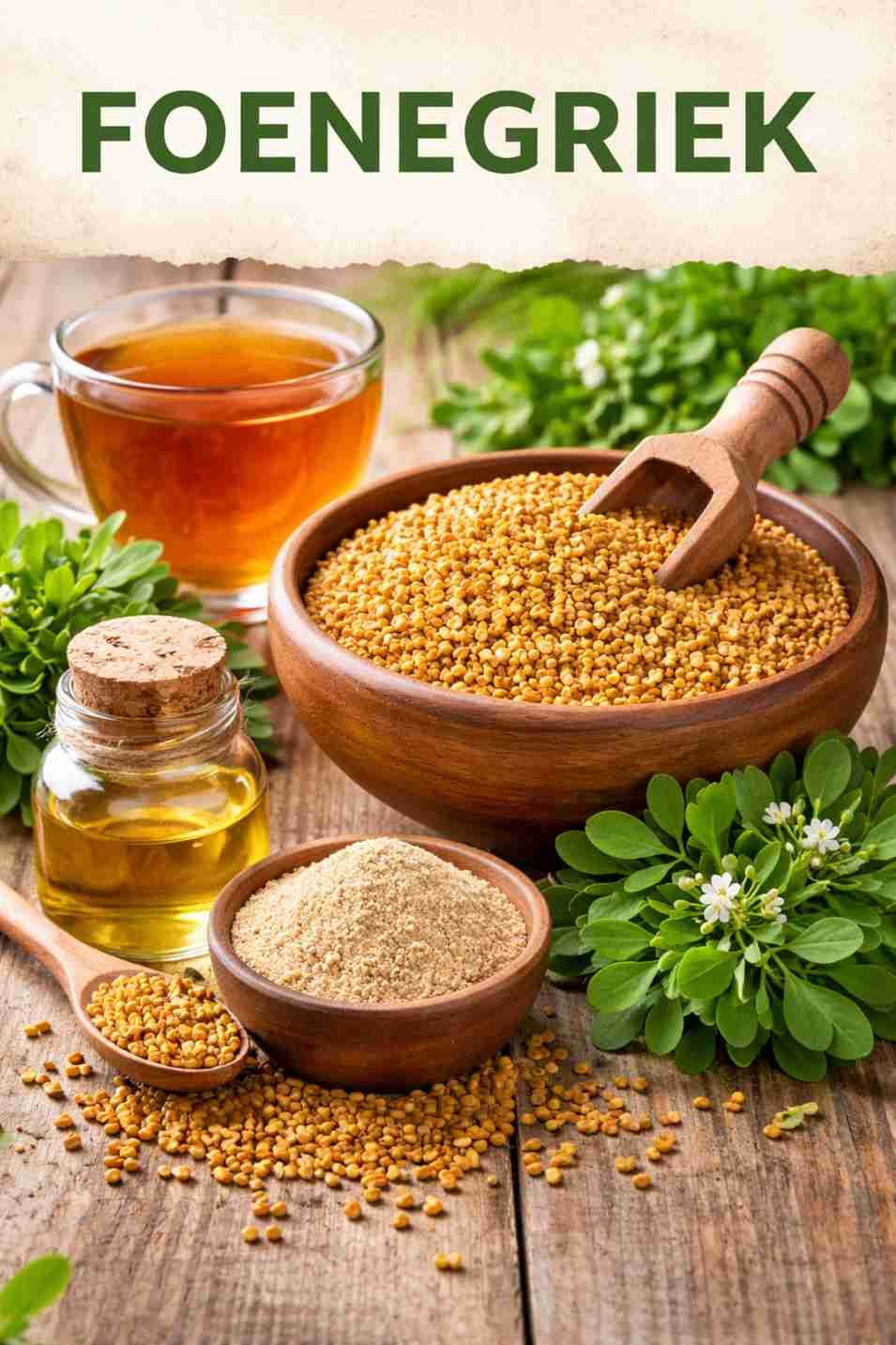
Seeds in food – in curry, soups, bread
-
Powder – mixed in yogurt or smoothies
-
Tea – seeds in hot water
-
Capsules – easy daily use
-
Liquid drops – strong form
-
Paste (outside use) – used in home remedies for hair or skin
Read also: MyKPHR
Table 3 – Forms and Uses
| Form | How to Use It | Good For |
|---|---|---|
| Seeds | Cook or soak | Food and mild use |
| Powder | Mix with food or drink | Daily health use |
| Tea | Drink as tea | Gentle support |
| Capsules | Swallow with water | Easy and simple |
| Liquid | Drops in water | Strong supplement |
| Paste | Put on skin/hair | Traditional home use |
5. How Much Foenegriek to Take
There is no one perfect dose. It depends on the form you use.
Simple Dosage Guide
-
Seeds or powder: 1–5 grams per day
-
Capsules or extracts: Follow the label
-
Tea: 1–2 cups per day
Tips
-
Start with a small amount
-
Increase slowly
-
Take with food
-
Give it time (2–4 weeks) to notice effects
6. Safety and Side Effects
Foenegriek is safe for most people when used in normal amounts.
Possible Side Effects
-
Gas
-
Bloating
-
Diarrhea
-
Sweet smell in sweat or urine
People Who Should Be Careful
-
Pregnant women
-
People with peanut or bean allergies
-
People with low blood sugar
-
People using diabetes medicine
7. Medicine and Supplement Interactions
Foenegriek may change how some medicines work.
Table 4 – Possible Interactions
| Type of Medicine | What Could Happen |
|---|---|
| Diabetes medicine | Blood sugar may go too low |
| Blood thinners | May increase effects |
| Hormone medicines | May affect hormone balance |
| Fiber supplements | May cause stomach upset |
Always talk to a doctor if you take medicine and want to use foenegriek.
8. How to Buy Good Quality Foenegriek
When buying foenegriek:
-
Choose trusted brands
-
Look for clean, pure products
-
Choose organic if possible
-
Avoid many added fillers
-
Store in a cool, dry place
9. Common Questions (FAQ)
Can I use foenegriek every day?
Yes, most healthy adults can use small amounts daily.
Does foenegriek help with weight loss?
It may help you feel full, but it is not a weight-loss pill.
Does foenegriek increase testosterone?
Some products claim this, but proof is limited.
Why does my body smell sweet after using foenegriek?
This is normal and harmless.
10. Conclusion
Foenegriek is a simple, natural plant that people use in food and for health. It may help with blood sugar, digestion, and feeling full after meals. It may also support some hormone-related issues, but strong claims are not fully proven. Foenegriek works best as part of a healthy lifestyle with good food, exercise, and medical care when needed. Used in a safe way, it can be a helpful natural option for daily wellness.